For many high capacity individuals and families, real estate represents one of their most significant and appreciated assets. Yet when charitable planning conversations occur, clients often focus on cash gifts, stock transfers, or bequests, overlooking the philanthropic potential of real estate. Professional advisors are uniquely positioned to help clients explore how donating real estate to the Community Foundation can achieve both charitable and financial objectives while creating a lasting local impact.
Over the years you've served your clients, you've likely worked with families who own a farm, lake house, mountain cabin, or beach house. For many, these properties are far more than real estate assets. They're places where grandchildren learned to fish, cousins gathered for summer vacations, and lifelong memories were made.
As clients age, however, many begin asking an important question:
"What happens to the property after we're gone?"
Often, the next generation lives far away, has little interest in maintaining the property, or simply doesn't share the same attachment to it. At the same time, clients may be deeply committed to supporting the causes and communities they care about most.
For advisors, these conversations present an opportunity to discuss charitable planning strategies that can transform a real estate asset into a meaningful philanthropic legacy. Generally, there are two approaches worth considering, depending on the client's goals and circumstances.
Option 1: Keep Enjoying the Property Through a Retained Life Estate
For clients who still use and enjoy a personal residence, vacation home, or family farm, a retained life estate may be an attractive solution.
A retained life estate allows a donor to make a completed charitable gift of a personal residence or farm while retaining the legal right to live in and use the property for the remainder of their lifetime. In practical terms, the client transfers ownership of the property to the Community Foundation while continuing to enjoy the property exactly as they do today.
Depending on their circumstances, donors may be eligible for a current charitable income tax deduction based on the present value of the Community Foundation's future interest in the property. Just as importantly, they gain the assurance that an asset they cherish today will ultimately support the causes they care about most.
Option 2: Donate the Property Now
For clients who are no longer using a property, are ready to simplify ownership responsibilities, or are already considering a sale, gifting the property to the Community Foundation during their lifetime may be the better option. After the gift is completed, the property is typically sold and the proceeds can be used to establish or grow a donor-directed fund or scholarship or benefit the Community Foundation and its priority initiatives directly.
For highly appreciated real estate, this strategy may offer significant tax advantages. Donors may be eligible for a charitable income tax deduction based on the property's fair market value and may avoid capital gains taxes that could otherwise result from a traditional sale.
A few thoughtful questions can help identify opportunities for either approach:
- Will your children actually want to own this property someday?
- If not, what do you hope happens to it?
- Are you still actively using and enjoying the property?
- If you were to sell the property, how would you like the proceeds to benefit your family, community, or charitable goals?
A Local Example of Transformational Giving
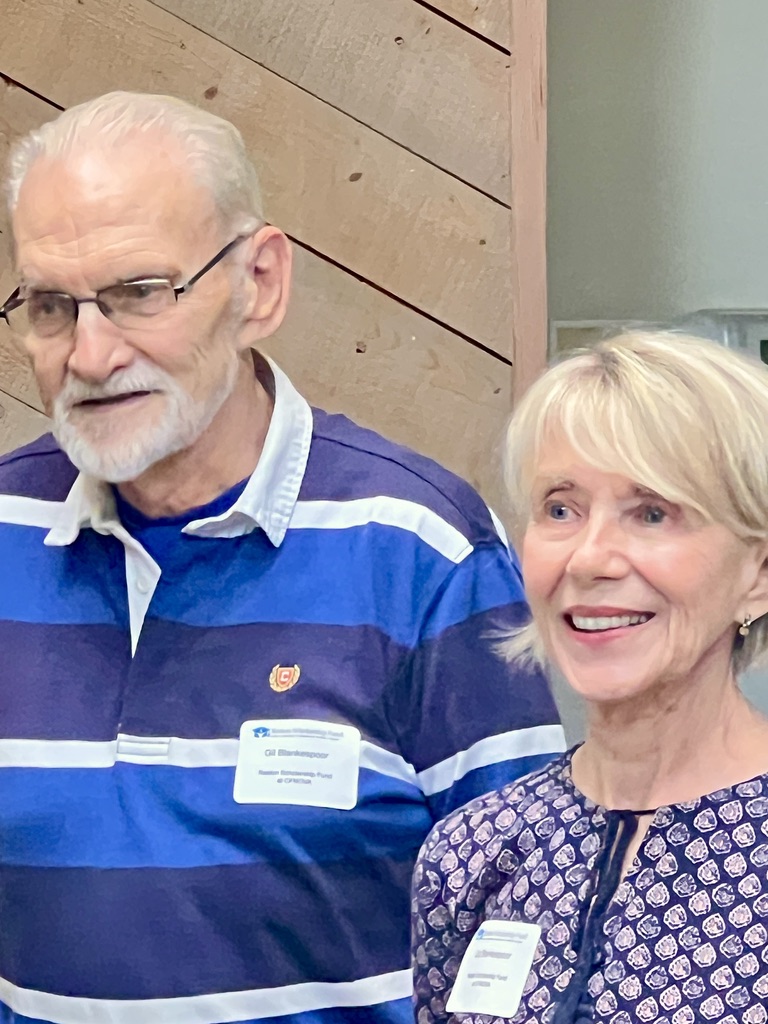 Through the Community Foundation for Northern Virginia, in the spring of 2026, our Community Leadership Award honorees, Gil & Liz Blankespoor chose the second option by making a transformational gift of real estate valued at $1.6 million, creating lasting support for the students and community they care about most.
This generous gift will help grow the Reston Scholarship Fund, expanding educational opportunities for local students while supporting the Community Foundation's work to build a stronger Northern Virginia. Their foresight demonstrates how thoughtful philanthropy can convert a real estate asset into a lasting source of community benefit, creating opportunities for generations to come.
Starting the Conversation About Legacy and Real Estate
Whether a client wants to continue enjoying a beloved property through a retained life estate or is ready to donate real estate now, these discussions often open the door to broader conversations about family priorities, charitable goals, tax planning, and legacy.
As a trusted advisor, you are uniquely positioned to help clients evaluate whether a real estate gift aligns with their financial and philanthropic objectives. For many charitably inclined individuals, real estate represents one of their largest assets and one of their most overlooked giving opportunities.
Thoughtful planning can help clients convert appreciated property into lasting community impact while achieving important financial and estate-planning goals. The Community Foundation for Northern Virginia works closely with donors and their advisors to evaluate charitable real estate gifts and structure solutions that reflect each donor's unique circumstances.
Please reach out to our team anytime to learn more about charitable real estate gifts and retained life estate opportunities through the Community Foundation for Northern Virginia.
The Community Foundation team is happy to help you structure charitable giving tools and plans to achieve your clients’ philanthropic goals—whether through beneficiary designations or any other type of charitable giving vehicle. This email address is being protected from spambots. You need JavaScript enabled to view it.!
The information contained in this article is provided for informational purposes only. It is not intended as legal, accounting, or financial planning advice.
 Questions?