Northern Virginia is a region of tremendous opportunity, yet many families remain one unexpected setback away from financial hardship. A rent increase, medical bill, childcare disruption, transportation challenge, or reduction in work hours can quickly destabilize a household, even for those earning above the federal poverty level.
The Community Foundation for Northern Virginia believes everyone should have the opportunity to build a secure future. That belief is driving a more focused grantmaking strategy centered on a single goal: helping residents move from instability to opportunity and long-term resilience.
Watch the Webinar
A More Focused Approach
For years, the Community Foundation has supported the region through grants, scholarships, nonprofit capacity building, research, donor-advised funds, and community partnerships. Through this work, one lesson has become increasingly clear: economic mobility does not happen through a single intervention.
Stable housing, quality education, healthcare access, and workforce opportunities are deeply connected. A family facing eviction may struggle to keep a child in school. Lack of childcare can prevent a parent from completing job training. Untreated health challenges can make it difficult to maintain employment.
To create greater impact, the Foundation is focusing its discretionary grantmaking on strengthening the conditions that help people move forward.
This is not a change in mission. Rather, it is a more intentional way to align grantmaking, donor investments, community knowledge, and partnerships around shared outcomes.
From Stability to Resilience
The Foundation views economic mobility as a progression:
- Stability: Meeting immediate needs and avoiding deeper crisis.
- Persistence: Remaining connected to housing, education, healthcare, employment, and other essential supports.
- Opportunity: Accessing education, training, employment, and pathways to advancement.
- Resilience: Gaining the ability to weather future challenges without returning to crisis.
Immediate help and long-term opportunity are not separate goals. They are part of the same journey. Preventing an eviction can keep a child connected to school. Reliable childcare can enable a parent to complete workforce training. Access to healthcare can protect employment and family stability.
Four Pillars for Greater Opportunity
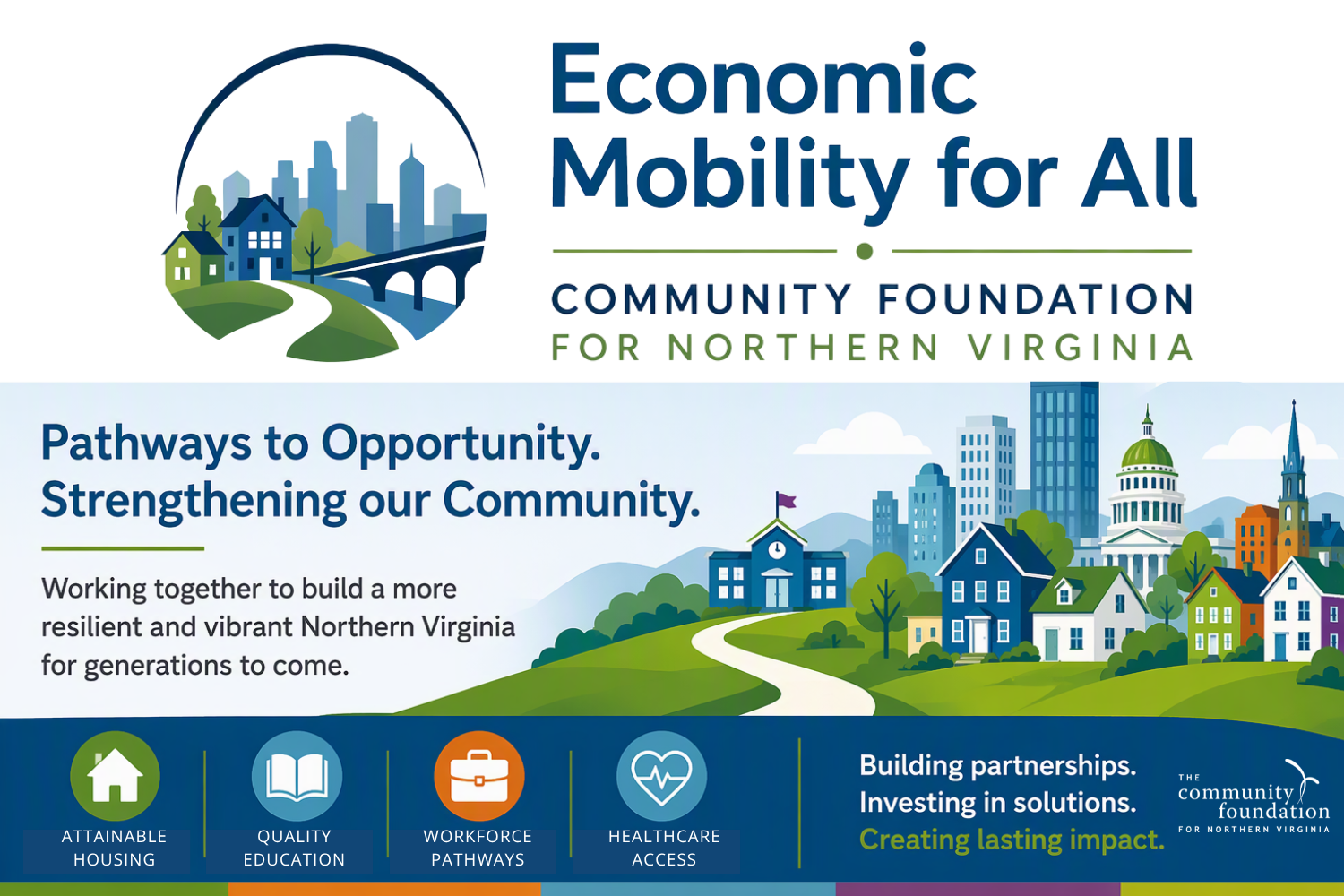
The Foundation's new strategy is organized around four connected pillars that help residents move from crisis toward stability and opportunity.
Attainable Housing
Stable housing provides the foundation for success in nearly every aspect of life. Investments may support eviction prevention, emergency rent and utility assistance, housing navigation, legal-aid referrals, and efforts to expand attainable housing options. Success means more households remain safely housed and connected to work, school, healthcare, and community.
Quality Education
Learning opportunities shape future success. This pillar may support childcare, early learning, tutoring, mentoring, academic achievement, postsecondary access, and school-to-career pathways. Success means more young people stay engaged in learning, build skills, and complete important educational transitions.
Workforce Pathways
Education and training create mobility when they lead to quality employment and advancement opportunities. Investments may support employer-aligned training, apprenticeships, internships, career coaching, job placement, and practical supports such as transportation and childcare. Success means more residents secure and retain jobs that strengthen long-term financial stability.
Healthcare Access
Health challenges can disrupt work, education, caregiving, and housing. This pillar focuses on reducing barriers to essential care through services such as healthcare navigation, coverage enrollment, primary and behavioral healthcare access, caregiver support, and other health-related stability interventions. Success means more residents receive critical care before health issues become larger crises.
Grounded in Community Needs
While Northern Virginia is connected as a region, the challenges residents face vary widely by community. Housing costs, transportation barriers, language access, and service availability differ across neighborhoods and localities.
The Foundation will use regional data, nonprofit expertise, and community knowledge to identify where needs are greatest, understand barriers to access, and invest in organizations with the trust and capacity to deliver meaningful results. Attention to equity and accessibility, including transportation, language, disability access, and cultural responsiveness, will help ensure programs reach those who need them most.
A Focused First Step
Fiscal Year 2027 marks the first year of this focused strategy. The Foundation will begin where community need, nonprofit readiness, and learning potential are strongest, using early results to inform future investments.
The goal is to build a focused portfolio, deepen nonprofit partnerships, create clearer opportunities for donor engagement, and strengthen understanding of what helps residents move forward.
Moving Forward Together
No single nonprofit, grant, or donor can create economic mobility alone. Progress requires collaboration among residents, nonprofits, businesses, public-sector partners, and philanthropy.
By bringing these partners together and investing in the conditions that create stability and opportunity, the Community Foundation for Northern Virginia is helping more residents build stronger futures.
Because when more people can thrive, the entire region is stronger.
Learn More about the Community Investment Funds Grants Cycle 2027
Watch the Webinar:
 Questions?