When families plan their legacies, the conversation almost always starts with accounts and real estate. What often gets overlooked is everything else: jewelry, watch collections, china and the painting that has hung in the same spot for thirty years. As a wave of wealth prepares to pass between generations, these tangible assets remain one of the most misunderstood pieces of the estate planning puzzle.
A Trillion-Dollar Blind Spot
Trillions of dollars in art and collectibles will change hands over the next thirty years, much of it moving from baby boomers to their heirs as part of the "Great Wealth Transfer." A December 2024 Cerulli Associates report projected $54 trillion will pass to spouses alone before eventually reaching heirs and charities.
That transfer creates a real opportunity for families and the charities they support, as well as a real risk when tangible property isn't part of the plan. Unlike a bank account, an art or a coin collection can't be divided by formula; it must be identified, valued and discussed.
The Conversation Nobody Wants to Have
Parents assume their children want their tangible assets only to discover that often after a major life event, the next generation has no interest. This isn't a failure of love; it's a generational shift in priorities and taste. Without a conversation, families are left guessing which rarely ends well when sentimental and financial value are tangled together.
The simple fix is talking about it early using a recent appraisal as the starting point. A fair market value appraisal isn't just a valuation exercise. It is often the most effective catalyst for getting a family to discuss who wants what and why.
Appraisals Aren't All the Same
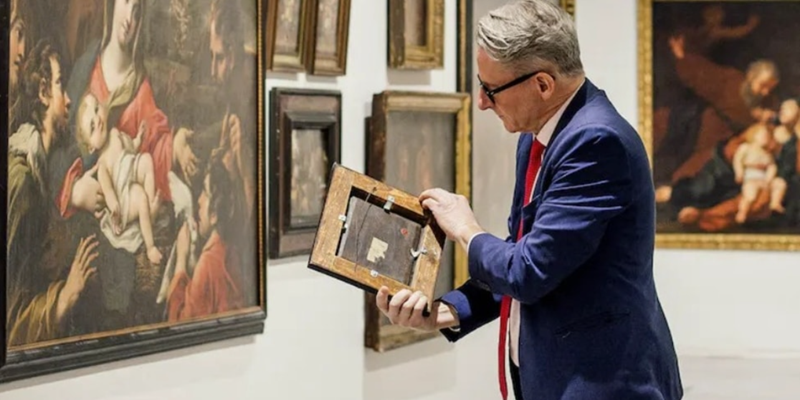
The type of appraisal needed depends on purpose.Insurance appraisals establish replacement value and often double as an early-stage inventory. Estate tax and equitable distribution appraisals establish fair market value, which is the price a willing buyer and seller would agree to, neither under pressure, both informed. Donation appraisals are required for non-cash gifts over $5,000, must be completed within 60 days before the donation, and paired with IRS Form 8283. Auction estimates are complimentary, informal assessments based on comparable sales, not official valuations.
A qualified appraisal must meet IRS Regulation 1.170A-17(a) and follow USPAP standards, which keep appraisers impartial and independent. An auction house's sale estimate is a helpful data point, but it's not a substitute for a USPAP-compliant appraisal when the IRS, an insurer, or a court is involved.
From Attic to Auction House
A client recently found a 1910 Honus Wagner baseball card in a drawer estimated at $80,000–$120,000. It sold for $114,000, a record for that grade. A set of Bridget Riley prints estimated at $25,000–$35,000 sold for $88,200 with proceeds benefiting Habitat for Humanity. Properly identified and valued, tangible assets can become meaningful charitable gifts.
Building Tangible Assets into the Plan
Advisors should guide clients to have the ownership conversation with beneficiaries directly and inventory and appraise significant items before a triggering life event, not after. Appraisals should be kept current and USPAP recommends updating every three years or sooner if the market shifts. Match the appraisal type to the purpose. Don't confuse an auction estimate with a qualified appraisal. If philanthropy is part of the plan, start that conversation early. Museums are increasingly selective about acquiring new pieces and a deed of gift can lock in donor intent.
How Advisors Can Work With the Community Foundation for Northern Virginia
Trusted advisors are well positioned to turn this planning into charitable impact by advising clients to donate the assent directly to the Community Foundation for Northern Virginia (CFNOVA), which is sold by CFNOVA at auction and the proceeds are deposited into the client’s fund at CFNOVA, where they can be granted to causes over time.
The second option is that the client can sell the tangible item at auction and then contribute the resulting proceeds into their fund at CFNOVA.
Either route lets donors convert their assets into lasting charitable contributions. Article provided by Elizabeth H. Marshman, MAAB Associate Vice President, Trusts, Estates & Private Clients, Freeman's Auction House
The Community Foundation team is happy to help you structure charitable giving tools and plans to achieve your clients’ philanthropic goals—whether through beneficiary designations or any other type of charitable giving vehicle. This email address is being protected from spambots. You need JavaScript enabled to view it.!
The information contained in this article is provided for informational purposes only. It is not intended as legal, accounting, or financial planning advice.
 Questions?