
By Kathleen Lowenthal, Development Officer, CFNOVA
Last month, we shared insights on how donors express generosity in different ways—and how tailoring philanthropic conversations to individual motivations can deepen relationships and outcomes. This month, I’d like to take that a step further by offering practical entry points: thoughtful, client-friendly questions you can use to open meaningful charitable planning discussions.
For many advisors, the question isn’t whether to raise the topic of philanthropy—it’s how to do so naturally, without disrupting the broader financial, tax, or estate planning conversation. The good news is that when approached thoughtfully, charitable giving is not a separate conversation. It is an extension of your clients’ values, legacy goals, and financial priorities.
Why Start with Questions?
The most effective charitable planning conversations begin with curiosity, not solutions. By asking the right questions, you:
- Uncover motivations that inform financial and estate strategies
- Identify opportunities for tax-efficient giving
- Strengthen trust through values-based advising
- Position yourself as a holistic, forward-thinking advisor
Below are sample questions—organized by client mindset—that can help you initiate those conversations with confidence.
1. For Clients Focused on Legacy & Family
These clients are often already thinking about “what comes next.” Charitable giving can be an ideal bridge between legacy planning and family engagement.
Questions to consider:- “What would you like your legacy to reflect about your values or priorities?”
- “Are there causes or organizations that have been meaningful to your family over time?”
- “Have you thought about involving children or grandchildren in your charitable decisions?”
- “What stories would you want future generations to tell about your giving?”
Why it works: These questions connect giving to identity and legacy—often uncovering opportunities for donor-advised funds, family philanthropy strategies, or endowed funds.
2. For Clients Experiencing a Liquidity Event
Moments of transition—business sales, bonuses, or large asset dispositions—are natural entry points for strategic philanthropy.
Questions to consider:
- “How would you like this milestone moment to make an impact beyond your personal goals?”
- “Would you like to explore ways to offset taxes while supporting causes you care about?”
- “Have you considered incorporating charitable gifts into your planning for this event?”
- “Are there appreciated assets you’ve been thinking about donating?”
Why it works: These questions align charitable giving with tax planning strategies and can lead to conversations about gifting appreciated securities, complex assets, or establishing philanthropic vehicles prior to a sale.
3. For Clients Already Giving Informally
Many clients are charitable—but not yet strategic. They may give annually without a long-term plan.
Questions to consider:
- “How do you currently decide which organizations to support each year?”
- “Would it be helpful to create a more structured approach to your giving?”
- “Are there ways we could make your current giving more tax-efficient?”
Why it works: These clients are already motivated. The conversation shifts toward optimization—introducing options like donor-advised funds or multi-year giving strategies.
4. For Clients New to Philanthropy
Some clients have the capacity but haven’t yet engaged in charitable planning.
Questions to consider:
- “Have you ever thought about how philanthropy could be part of your financial plan?”
- “Are there community issues or causes that resonate with you personally?”
- “What kind of impact would be meaningful for you to see in your lifetime?”
- “Would you like to learn how other clients have integrated giving into their plans?”
Why it works: These questions are low-pressure and exploratory, helping clients articulate values without assuming prior charitable engagement.
Your Partner in These Conversations
You don’t have to navigate these discussions alone.
At the Community Foundation, we work alongside professional advisors to:
- Provide technical expertise on charitable vehicles and tax strategies
- Offer local knowledge about nonprofit needs and opportunities
- Facilitate client conversations that are values-driven and personalized
- Help structure flexible giving solutions that complement your client’s overall plan
Whether you’re introducing the idea of charitable giving for the first time or refining an existing strategy, we are here as a trusted, neutral resource—enhancing the value you deliver to your clients.
A Simple Next Step
The next time you’re meeting with a client, choose one or two of these questions that feel most natural for their situation. You may find that even a brief, thoughtful inquiry opens the door to a much richer planning conversation.
And when it does, we would be honored to join you at the table. This email address is being protected from spambots. You need JavaScript enabled to view it. achieve both their financial goals and their philanthropic vision.
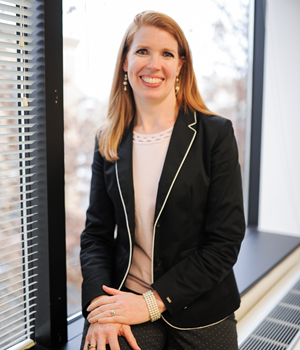
Kathleen Lowenthal
Development Officer
Community Foundation for Northern Virginia
This material is intended for informational/educational purposes only and should not be construed as investment, tax, or legal advice. Please contact your financial, tax, and legal professionals for more information specific to your situation.
The Community Foundation team is happy to help you structure charitable giving tools and plans to achieve your clients’ philanthropic goals—whether through beneficiary designations or any other type of charitable giving vehicle. This email address is being protected from spambots. You need JavaScript enabled to view it.!
 Questions?