
By Nikki Macdonald, CFP®
Women are a powerful and growing force in philanthropy. They increasingly direct household giving, control more wealth than previous generations, and often give differently—prioritizing mission alignment, measurable outcomes, and family involvement. At the same time, charitable dollars nationally are becoming more concentrated among mega‑donors, underscoring the importance of thoughtful strategies for donors at every income level. The following is meant to help women of all economic backgrounds translate their values into action while making every dollar, financially and philanthropically, work harder.
A strong giving plan starts with purpose. Without a roadmap, it’s easy to reach year‑end and wonder where gifts went and what they achieved. Building a charitable giving plan puts generosity in the context of your broader financial life. Begin with clarity by identifying your values and which causes animate you, what outcomes matter, who in your family should have a voice, and how giving fits alongside retirement, education, and legacy goals. This approach matches how many women prefer to engage—grounded in lived experience, community outcomes, and collaborative decision‑making.
Once purpose is clear, structure follows.
- Donor‑advised funds (DAFs) offer agility and tax efficiency in one place. You can contribute cash or appreciated assets, receive an immediate charitable deduction, invest the balance for potential growth tax‑free, and recommend grants over time. For donors who want to pair impact with income or estate planning, split‑interest vehicles can help.
- Charitable Remainder Trusts (CRTs) are irrevocable trusts that can provide an income stream to you or a loved one for life or a term of years, with the remainder supporting the charity you choose.
- Charitable Lead Trusts (CLTs) invert that design: the charity receives income for a set period, and remaining assets can pass to you or heirs, often with gift and estate tax advantages. For those managing variable income or a high‑tax year, “bunching” multiple years of charitable contributions into a single year can push itemized deductions above the standard deduction, potentially lowering taxable income while front‑loading support for the causes you value.
Women also tend to seek accountability and community in their giving. That’s where a community foundation can be a multiplier, offering access to many different organizations, small‑group conversations with nonprofit leaders, and collaborative formats like giving circles or pooled funds. These forums create peer learning and provide confidence that grants are producing tangible results. They also invite the next generation into the process—another hallmark of women’s philanthropy. Family meetings anchored by a DAF can become a living classroom in values, stewardship, and civic engagement.
It’s worth noting that strategic giving aligns with broader financial confidence. According to Northwestern Mutual’s Planning & Progress Study, 71 percent of Americans who work with a financial advisor say they feel financially secure, compared with just 10 percent who do not. This is clear evidence that advice can help transform intent into disciplined action. For many women, partnering with both a financial advisor and a community foundation can bridge the gap between financial strategy and social impact, ensuring gifts are tax‑smart, mission‑aligned, and sustained over time.
As you consider your next steps, best practices emphasize thinking about “seasons” and milestones. Major events, like career bonuses, business sales, inheritance, or retirement, are natural points to reevaluate capacity and recalibrate your charitable plan. Map near‑term grants to urgent community needs while reserving a portion for longer‑term initiatives that compound impact. If you plan to endow a scholarship or seed a new program, document the purpose and governance up front so it endures across generations. And if the goal is to involve family, set a cadence, perhaps an annual “giving summit”, to review outcomes, hear from grantees, and vote on future priorities.
The opportunity to give locally in Northern Virginia and the DMV is profound. Women donors here are already shaping the region’s future—strengthening the safety net, advancing education and health equity, and catalyzing innovation. With a clear plan, the right vehicles, and a partner dedicated to local impact, your generosity can go even further.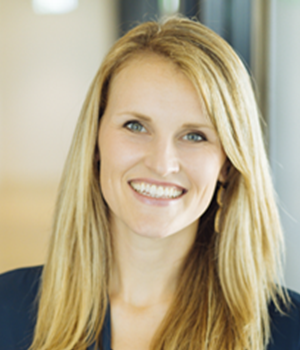 Guest Author,
Nikki Macdonald, Financial Advisor - McLean, VA 22102 | Northwestern Mutual
This publication is not intended as legal, accounting, financial planning, or tax advice. The information contained in this article is provided for informational purposes only. Financial Representatives do not render tax advice. Consult with a tax professional for tax advice that is specific to your situation.
The Community Foundation team is happy to help you structure charitable giving tools and plans to achieve your clients’ philanthropic goals—whether through beneficiary designations or any other type of charitable giving vehicle. This email address is being protected from spambots. You need JavaScript enabled to view it.!
 Questions?