
By Kathleen Lowenthal, Development Officer, CFNOVA
Charitable giving can be a powerful planning tool, but many opportunities are overlooked in routine estate, tax, and wealth planning discussions. Consider raising these questions with clients:
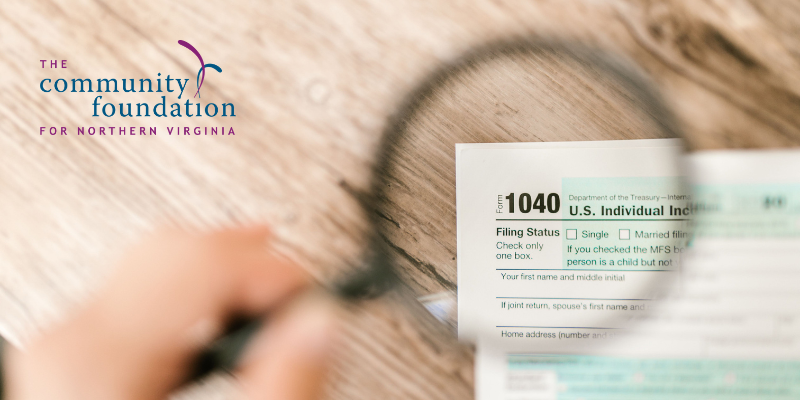
As attorneys, CPAs, and financial advisors prepare clients for year-end planning and the years ahead, a few charitable giving opportunities deserve renewed attention. While familiar strategies such as gifts of appreciated stock, Qualified Charitable Distributions, and donor-advised funds remain important, several recent tax developments may create planning opportunities for certain clients.
By Gaby Webster, Director of Donor Relations, Community Foundation for Northern Virginia
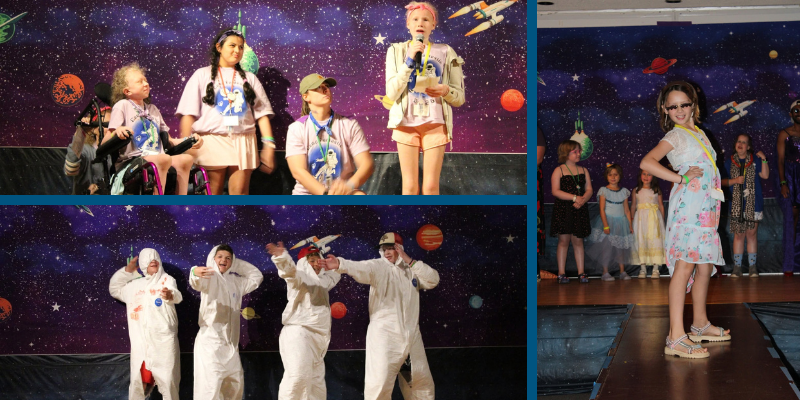
Some organization names are aspirational. Others are descriptive. But after attending the visitor's night at Special Love’s flagship program, Camp Fantastic, I can confidently say that the local nonprofit, Special Love, is aptly named. From the second I walked into the dining hall, it was so clear every camper was having a fantastic time and this place was special!
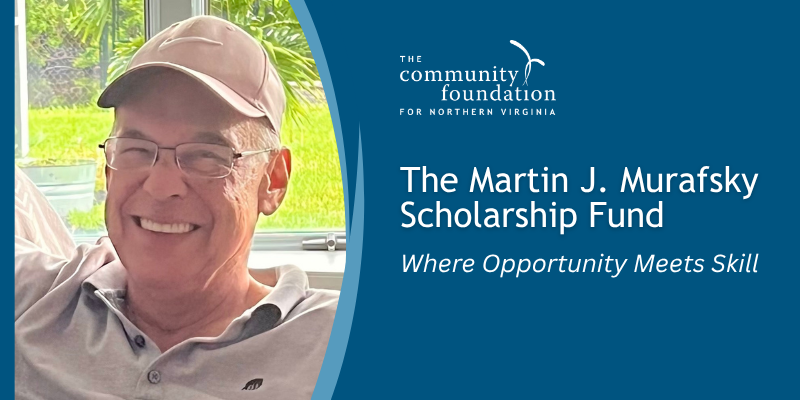
The Martin J. Murafsky Scholarship Fund was established to honor the life, accomplishments, and values of a man who believed in the power of education, hard work, and opportunity.
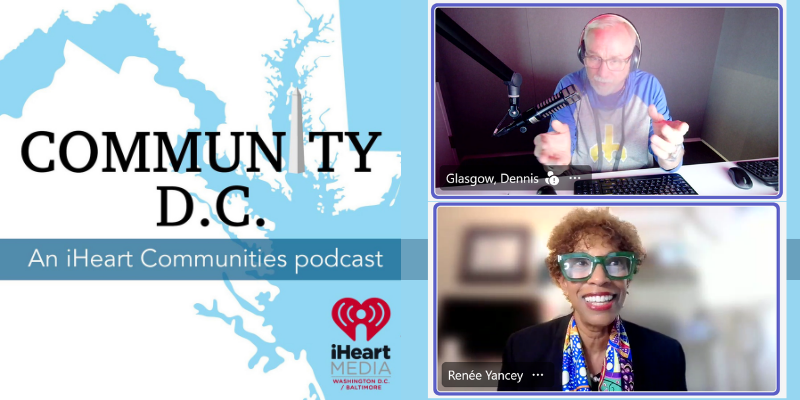
When Renée Byng Yancey, President and CEO of the Community Foundation for Northern Virginia (CFNOVA), joined host Dennis Glasgow on the Community DC podcast, she brought an important message to listeners across the region: Northern Virginia is a place of tremendous opportunity, but building a community that works for everyone requires all of us.
The conversation offers listeners a deeper look into the role CFNOVA plays as the region's trusted philanthropic partner and the ways philanthropy can help address some of Northern Virginia's most pressing challenges. From economic mobility and housing affordability to nonprofit sustainability and long-term community investment, Renée shared how CFNOVA connects generosity with community needs to create lasting impact.
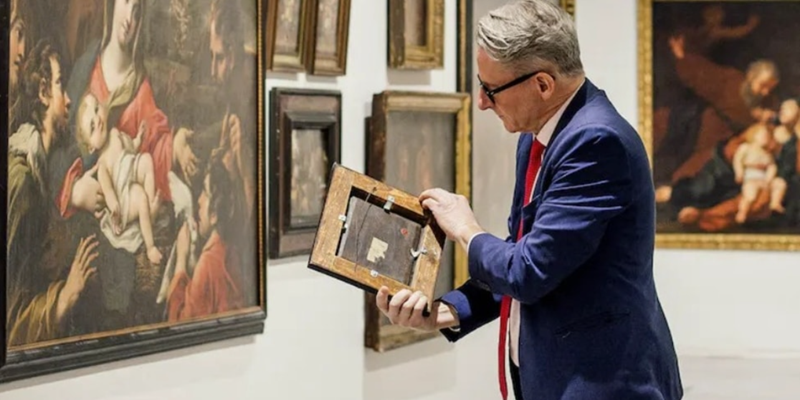
When families plan their legacies, the conversation almost always starts with accounts and real estate. What often gets overlooked is everything else: jewelry, watch collections, china and the painting that has hung in the same spot for thirty years. As a wave of wealth prepares to pass between generations, these tangible assets remain one of the most misunderstood pieces of the estate planning puzzle.
Beyond Cash and Securities: Why Real Estate Should Be Part of Every Charitable Planning Conversation
For many high capacity individuals and families, real estate represents one of their most significant and appreciated assets. Yet when charitable planning conversations occur, clients often focus on cash gifts, stock transfers, or bequests, overlooking the philanthropic potential of real estate. Professional advisors are uniquely positioned to help clients explore how donating real estate to the Community Foundation can achieve both charitable and financial objectives while creating a lasting local impact.

For estate planning attorneys and advisors who spend a lot of time encouraging clients to establish revocable living trusts to avoid probate, it may seem counterintuitive to leverage what’s known as “Make-A-Will Month.” Widely recognized in August, "Make-A-Will Month" encourages people to review—or, in some cases, finally get around to completing—their estate plans.
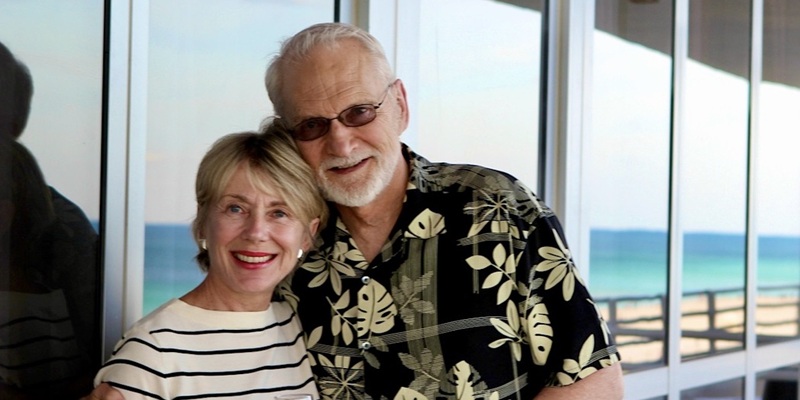
For Gil and Liz Blankespoor, community has always been more than a place to live—it is a responsibility to invest in the people and possibilities that make Northern Virginia thrive.
As longtime Reston residents, the Blankespoors have spent decades championing the vision that inspired Reston's founding: a community where people of diverse backgrounds could succeed. Their commitment to that vision led them to establish the Reston Scholarship Fund (RSF), which helps qualified South Lakes High School graduates pursue higher education and career training opportunities.
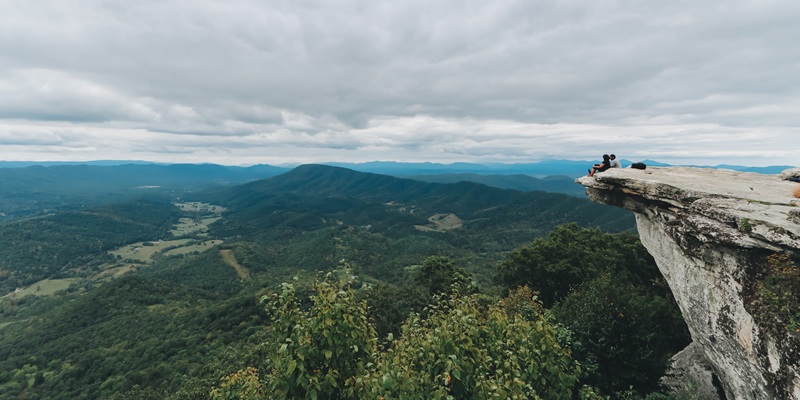
As a 2026 Environment Fund grantee, George Mason University's Virginia Climate Center is helping shape a more resilient future for communities across the Commonwealth. Thanks in part to support from the Community Foundation for Northern Virginia, a transformative vision has become reality: George Mason University is now officially authorized by the Commonwealth to host the Virginia State Climate Office (VaSCO).
 Questions?